
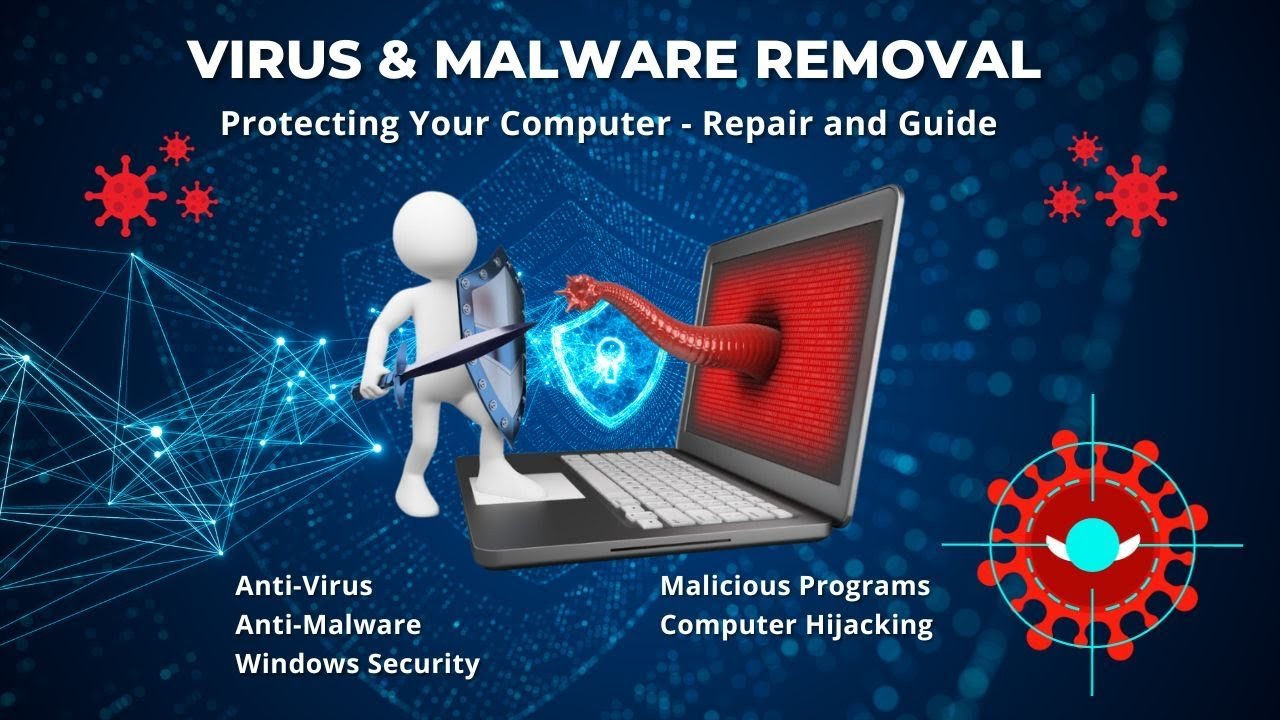
In today’s digital world, security threats and computer viruses are more common than ever. Almost everyone uses smartphones, laptops, tablets, and the internet for work, communication, banking, and entertainment. While technology makes life easier, it also exposes users to cyber threats such as viruses, malware, spyware, ransomware, and phishing attacks. Many users do not understand how these threats work or how to fix them when problems occur.
Security and virus fixes are essential for keeping devices safe, protecting personal data, and ensuring smooth performance. This guide explains everything in simple language, from understanding viruses to fixing infections and preventing future attacks. It is designed for beginners and everyday users who want reliable security help.
This article focuses on security and virus fixes, computer security, virus removal, malware protection, cybersecurity basics, online safety, antivirus software, and device protection.
What Are Computer Viruses and Security Threats
A computer virus is a type of malicious software designed to damage, disrupt, or gain unauthorized access to devices. Viruses can spread through infected files, email attachments, unsafe websites, and malicious downloads. Modern security threats go beyond simple viruses and include malware, spyware, adware, trojans, ransomware, and keyloggers.
Security threats target personal data, passwords, financial information, and system resources. Understanding these threats is the first step toward effective virus fixes and digital security.
Why Security & Virus Fixes Are Important
Ignoring security problems can lead to serious consequences. Viruses can slow down devices, cause crashes, steal sensitive information, display unwanted ads, or lock files for ransom. In severe cases, users may lose important data permanently.
Security and virus fixes protect privacy, improve performance, and prevent financial loss. Regular security maintenance is essential for safe technology use.
Common Signs Your Device Has a Virus
Many users do not realize their device is infected until problems appear. Common signs include slow performance, frequent crashes, unexpected pop-ups, unknown apps, browser redirects, high data usage, and overheating. Sudden changes in settings or disabled security features can also indicate malware infection.
Recognizing early warning signs helps users take quick action and minimize damage.
Types of Viruses and Malware Explained Simply
Different types of malware cause different problems. Viruses attach themselves to files and spread when files are shared. Trojans disguise themselves as legitimate software. Spyware secretly monitors user activity. Adware displays unwanted advertisements. Ransomware locks files and demands payment. Keyloggers record keystrokes to steal passwords.
Understanding malware types helps users choose the right virus fixes and security tools.
How Viruses Enter Computers and Smartphones
Viruses usually enter devices through unsafe downloads, pirated software, fake updates, email attachments, infected websites, and malicious ads. Public Wi-Fi networks can also expose devices to attacks if security is weak.
Knowing how viruses spread helps users avoid risky behavior and improve device security.
Basic Security Practices Every User Should Follow
Strong security habits reduce the risk of infection. Using strong passwords, updating software regularly, installing apps only from trusted sources, and avoiding suspicious links are essential practices. Keeping backups ensures data safety even if an infection occurs.
Basic security awareness is the foundation of virus prevention.
Antivirus Software and How It Works
Antivirus software detects, blocks, and removes malicious programs. It scans files, monitors system activity, and identifies threats using databases and behavior analysis. Modern antivirus tools provide real-time protection and automatic updates.
Choosing reliable antivirus software is a key part of security and virus fixes.
How to Remove Viruses from a Computer
Removing viruses requires a systematic approach. Users should disconnect from the internet, run a full antivirus scan, and follow removal instructions. In some cases, safe mode helps eliminate stubborn malware. Updating antivirus definitions improves detection.
Virus removal restores system stability and security.
Virus Removal on Smartphones
Smartphones can also get infected with malware, especially through unsafe apps. Removing suspicious apps, scanning with mobile security tools, and resetting settings often fix issues. Updating the operating system improves security.
Smartphone virus fixes are important for protecting personal data and privacy.
Understanding Ransomware and How to Fix It
Ransomware is one of the most dangerous threats. It encrypts files and demands payment. Paying ransom does not guarantee file recovery. The best defense is prevention and regular backups. Infected systems may require professional help or data restoration from backups.
Understanding ransomware protection is essential for modern security.
Browser Security and Virus Fixes
Web browsers are common targets for malware. Browser infections cause redirects, pop-ups, and fake alerts. Removing malicious extensions, resetting browser settings, and updating browsers fix many issues.
Browser security improves safe internet browsing.
Email Security and Phishing Protection
Phishing attacks trick users into sharing personal information through fake emails or messages. Recognizing suspicious emails, checking sender addresses, and avoiding unknown links prevent attacks.
Email security awareness protects against identity theft and malware.
Fixing Slow Devices Caused by Malware
Malware consumes system resources, causing slow performance. Removing infections, disabling startup programs, cleaning temporary files, and updating software improve speed.
Security fixes often restore device performance significantly.
Importance of Software Updates for Security
Updates fix security vulnerabilities and bugs. Outdated software is an easy target for hackers. Enabling automatic updates ensures devices remain protected.
Regular updates are one of the simplest security fixes.
Using Firewalls for Extra Protection
Firewalls monitor incoming and outgoing network traffic. They block unauthorized access and prevent malicious connections. Both hardware and software firewalls improve security.
Firewalls add an extra layer of defense against cyber threats.
Cloud Security and Virus Protection
Cloud services use advanced security measures, but users must still protect accounts. Strong passwords, two-factor authentication, and safe sharing practices improve cloud security.
Cloud security awareness protects online data.
Protecting Personal Data and Privacy
Data protection is a key part of security. Limiting app permissions, using encryption, and avoiding oversharing online reduce risks. Understanding privacy settings improves digital safety.
Security and privacy go hand in hand.
Free vs Paid Security Tools
Free security tools offer basic protection, while paid versions provide advanced features. Users should choose based on needs and device usage. Reliable tools are more important than cost.
Choosing the right security software improves protection.
Security Tips for Public Wi-Fi Usage
Public Wi-Fi networks are risky. Avoiding sensitive activities, using VPNs, and connecting to trusted networks reduce threats.
Public Wi-Fi security is essential for safe browsing.
Backups and Data Recovery
Backups protect data from viruses and ransomware. External drives and cloud backups ensure data recovery. Regular backups are a critical security practice.
Data backup is a lifesaver during virus attacks.
Security for Online Banking and Payments
Online banking requires extra caution. Using secure networks, trusted apps, and strong authentication protects financial information.
Financial security awareness prevents fraud.
Security for Children and Family Devices
Family devices need protection from inappropriate content and malware. Parental controls and safe browsing settings improve security.
Family cybersecurity protects everyone at home.
Common Security Mistakes to Avoid
Using weak passwords, ignoring updates, clicking unknown links, and disabling security software increase risk. Avoiding these mistakes improves device safety.
Learning from common errors strengthens security.
Building Long-Term Security Habits
Security is not a one-time task. Regular scans, updates, backups, and awareness create long-term protection.
Good habits keep devices safe over time.
Future of Security and Virus Fixes
Cyber threats continue to evolve. Artificial intelligence, automation, and advanced malware will shape the future. Staying informed and adapting security practices is essential.
Continuous learning is key to digital safety.
When to Seek Professional Help
Some infections are complex. Data loss, ransomware, or repeated infections may require professional assistance. Knowing when to seek help prevents further damage.
Professional security help can save time and data.
Conclusion
Security and virus fixes are essential for safe and smooth technology use. Understanding how viruses work, recognizing warning signs, and following basic security practices protect devices and personal information. With the right tools, awareness, and habits, users can prevent infections and fix problems effectively.
Technology should be helpful, not harmful. By prioritizing security and learning virus fixes, users can enjoy digital life with confidence and peace of mind. Staying alert, informed, and proactive is the best defense against cyber threats.